

Medical repatriation and patient transport
A repatriation is not a flight home. It is a transfer of care between two clinical teams that happens to involve an aircraft, and it should be planned that way.
What we do
Clinical fitness-to-fly assessment
A UK clinician assesses the patient's actual clinical trajectory against the physiological demands of transport, and sets the window. Not the airline, and not the calendar.
Air ambulance and commercial stretcher
The transport mode matched to the clinical picture: dedicated air ambulance where the acuity requires it, commercial stretcher or seated escort where it does not.
Doctor and nurse escorts
Clinical escorts appropriate to the case, briefed on the full record, carrying the equipment and medication the journey actually requires.
Road ambulance and ground transfers
Bed-to-bed ground coordination at both ends, across the UK and internationally, so no leg of the journey is left to whoever is available locally.
UK receiving bed coordination
We secure an appropriate UK bed matched to consultant and care pathway before departure, rather than landing a patient and starting the conversation then.
Handover and documentation
A complete clinical record travels with the patient and reaches the receiving team before they do, so continuity of care is real rather than assumed.
The mistake is treating it as logistics
Repatriation goes wrong in a predictable way. Somebody books an aircraft, and then the clinical questions arrive afterwards: is the patient actually stable enough, what happens if they deteriorate at altitude, who is receiving them, where exactly are they going. The flight becomes the fixed point and the medicine has to fit around it.
Run in the right order, the clinical picture sets every other variable. What the patient can physiologically tolerate determines the transport mode. The transport mode determines the escort and the equipment. The receiving pathway determines the destination and the timing. The aircraft is the last decision, not the first.
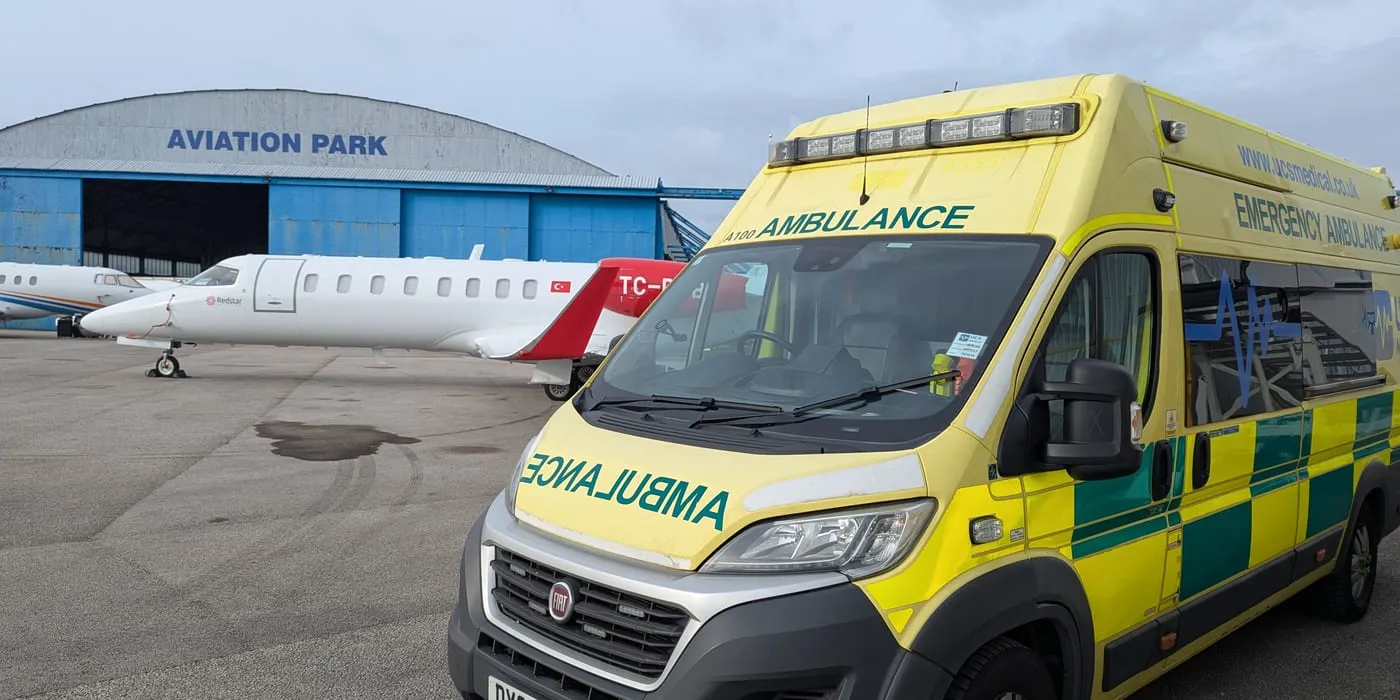
Fitness to travel is a clinical judgement, not a form
The pressure to move a patient early is constant, and it comes from every direction: the family, the treating hospital, sometimes the insurer watching a per-diem rate. A repatriation that leaves too early risks a deterioration at 8,000 feet of cabin altitude with limited options. One that leaves too late accrues cost and, more importantly, keeps the patient away from the continuity of care they need.
We assess fitness to travel against the patient’s actual clinical trajectory: the direction they are moving in, not the snapshot on the day someone asked. That assessment is made by a UK clinician who is accountable for it, documented with the rationale, and revisited if the picture changes.
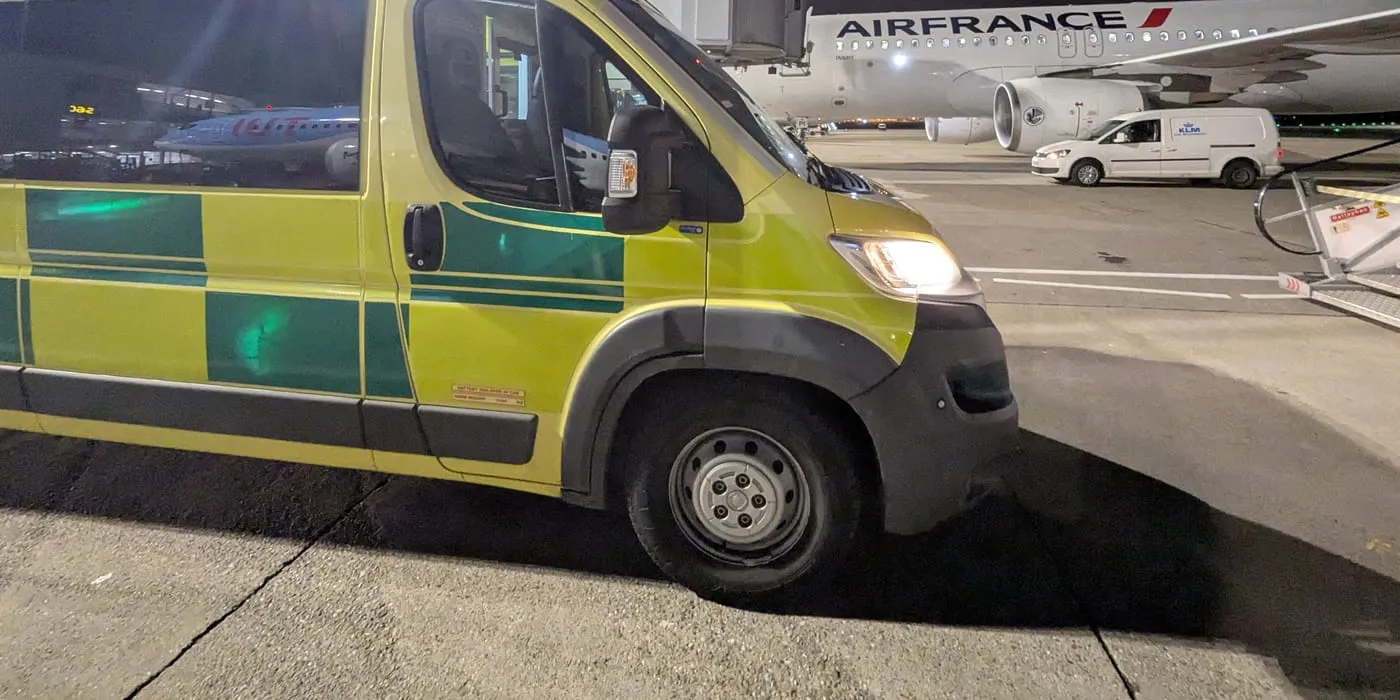
Matching the mode to the medicine
The gap between transport options is enormous both clinically and commercially, and defaulting in either direction is a failure.
-
Dedicated air ambulance. For high-acuity patients who are ventilated, unstable, or require intensive monitoring or intervention in flight. Expensive, and the only defensible option when the clinical picture demands it.
-
Commercial stretcher. For patients who cannot sit but are stable, with a clinical escort and appropriate equipment on a scheduled service.
-
Seated medical escort. For patients who can travel in a seat but need clinical supervision, medication management or assistance en route.
-
Unescorted travel with support. For the recovered patient who needs assistance and documentation rather than clinical care.
Choosing an air ambulance for a case that needed a nurse and a stretcher is a very expensive way to be cautious. Choosing a seated escort for a patient who needed monitoring is a clinical failure. Both are avoided by assessing first and booking second.

The parts nobody sees
Most of the risk in a repatriation is not in the air. It is in the transitions: the ambulance at the origin hospital, the airside transfer, the receiving ambulance, the handover conversation, the clinical record that either arrives with the patient or does not.
We coordinate every leg rather than subcontracting the middle and hoping. The clinical record travels with the patient and reaches the receiving team ahead of them. Ground transfers at both ends are arranged and briefed. The handover is a documented clinical exchange, not a signature on a delivery note.
The UK receiving bed
Getting a patient into UK airspace is not the same as getting them into care. A repatriation that ends with a patient in an emergency department while somebody starts ringing round for a bed has failed at the last step, and it is a common failure.
We secure an appropriate UK bed before departure, matched to the consultant and the care pathway the patient will actually need, not simply the nearest hospital to the airport. That is what makes the transfer continuous.
For a fuller account of how we run these cases, see What good repatriation looks like.
For what changes corridor by corridor, see medical repatriation by country: what we typically see from Spain, Turkey, Thailand, the UAE, Greece and the United States, and how the decision differs in each.
Documented as it happens
Every clinical decision in a repatriation, from the fitness assessment and the mode selection to the escort level and the receiving pathway, is recorded in Atlas as it is made, with the clinician who made it. If the case is later reviewed, the reasoning is there in sequence rather than reconstructed from memory and email.
Cases do not always follow the plan. When one escalates, a senior clinician reviews it within fifteen minutes and an executive on-call leader can be on it within thirty. For a patient at altitude, that difference is the whole point.
Common questions
What is medical repatriation?
Medical repatriation is the clinically managed transfer of an ill or injured patient from where they fell ill back to their home country for ongoing treatment. It covers the clinical assessment of fitness to travel, the choice of transport mode, medical escorts, the ground legs at both ends, and the handover into a receiving hospital bed. Done properly it is a transfer of care, not a journey.
How do you decide between an air ambulance and a commercial flight?
Clinically. The question is what the patient's physiology can tolerate and what care they will need in the air: monitoring, oxygen, ventilation, the ability to intervene at altitude. A dedicated air ambulance is the right answer for high-acuity cases and the wrong answer for a stable patient who needs a stretcher and a nurse, where it simply costs many times more for no clinical benefit.
What does bed to bed actually mean?
That the patient is handed from one hospital bed to another with the chain of clinical responsibility unbroken throughout: ground transfer at origin, the flight leg, ground transfer at destination, and a receiving bed already secured, with a named consultant expecting them. The alternative, landing a patient and then looking for a bed, is where continuity of care fails.
How quickly can a repatriation be arranged?
It depends on the clinical picture rather than the logistics. Once a patient is genuinely fit to travel, mobilisation is a matter of hours for most corridors. The delay in a slow repatriation is almost always clinical stability, receiving bed availability or documentation, not aircraft.
Do you repatriate to countries other than the UK?
Yes. We coordinate repatriation worldwide for international insurers and assistance partners. The UK receiving-bed capability is a particular strength given our clinical base here, but the model is the same wherever the patient is going: clinical assessment, matched transport, bed-to-bed coordination.
Can you handle repatriation of remains?
Yes, including the documentation, mortuary liaison and consular requirements involved. Talk to us about the specific case.
Related insights
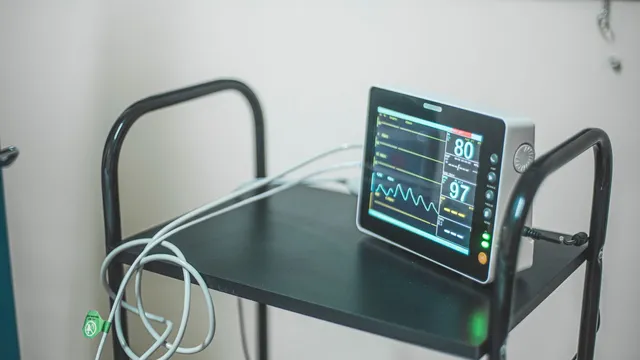
Can you fly after a heart attack?
Usually yes, often sooner than people expect after an uncomplicated heart attack treated with a stent. What decides the wait, how stents and angina change it, and what to sort out before booking.
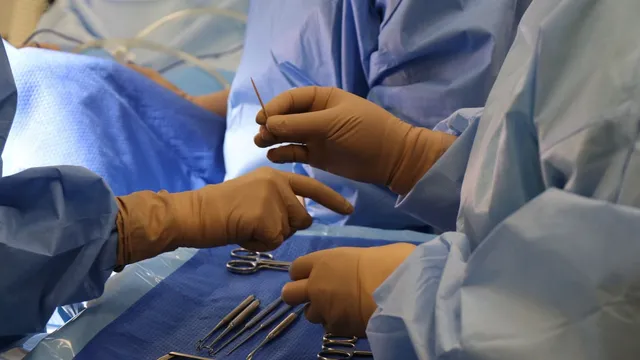
Can you fly after surgery?
Usually yes, once any gas left inside the body has gone and the wound is healing. How long that takes after abdominal, keyhole, eye and orthopaedic surgery, and who makes the call.

Can you fly with a cast?
Usually yes, once the cast has had time to settle or has been split. Many airlines set rules for casts fitted in the last day or two. What applies to a broken arm, wrist or leg.
Other services
Have a case to discuss?
Talk to our clinical and operational teams about a live case, a caseload, or a partnership.