
Insights
Perspectives on medical assistance, cost containment and clinical governance for IPMI insurers, brokers and assistance partners.
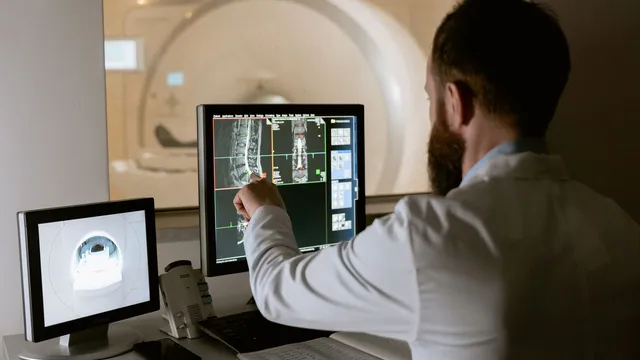
Second opinions as a cost containment lever
A structured second clinical opinion is filed as a member benefit and behaves like a cost containment tool. Where the treatment plan actually changes, when it is worth commissioning one, and how to run it so it holds up.

Can you fly with a chest infection?
A cabin is pressurised to around 8,000 feet, so a lung that is already struggling has less to work with. What decides whether someone with a chest infection is fit to fly, and when to wait.

Can you fly after a brain bleed?
Trapped air inside the skull expands as cabin pressure falls, which is why intracranial haemorrhage is one of the few conditions where the aircraft itself is the hazard. What decides when it is safe.

Can you fly after a stroke?
The risk after a stroke is not the altitude so much as everything else: recurrence in the early days, immobility, an unsafe swallow, and a cabin with nowhere to assess a patient who changes.
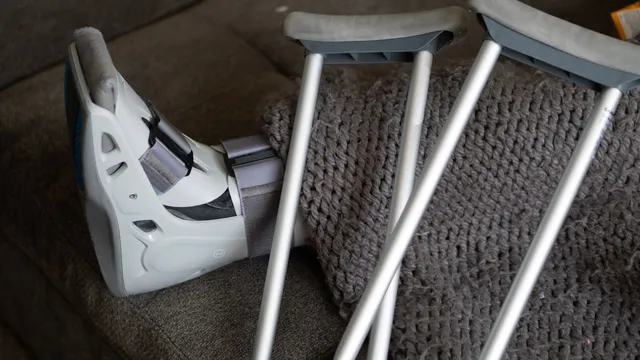
Can you fly with a broken leg?
A fresh plaster cast and a pressurised cabin are a poor combination, and a leg that cannot bend does not fit an economy seat. What airlines require, and what actually decides it clinically.

Hospitalised abroad: who actually pays, and when
A member is admitted overseas and the clinical picture is only half the problem. Here is how a foreign hospital bill actually gets settled, and why the guarantee of payment decides more of the case than anything that follows it.

What a medical repatriation actually costs, bed to bed
Published repatriation prices are the price of an aircraft. These are the price of getting somebody home: escort, stretcher, air ambulance and road, all in, with what actually moves the number.

Clinically led, not clinically staffed: what it means for your caseload
Many assistance providers employ doctors and nurses. Fewer let clinicians actually drive the decision on every case. Here is why that distinction matters for insurers.

Cost containment for IPMI: why network discounts alone no longer hold
Network discounts flatten out. The durable savings in international private medical insurance come from challenging medical necessity and treatment pathways, clinically.

When 10% isn't the whole story: medical inflation and the IPMI loss ratio
Global medical inflation is running close to double digits and loss ratios are under real pressure. Premium rises alone won't fix that. The lever insurers underuse is clinical challenge of medical necessity, not just network discounts.

What good repatriation actually looks like
An air ambulance can cost a fortune, but the right clinical call is often a nurse-escorted commercial flight or a UK receiving bed, not a jet. Good repatriation protects the patient and the claim at the same time.
From reactive to pre-claim: clinical intelligence before the bill lands
Most assistance still reacts after treatment and cost are locked in. Pre-claim clinical intelligence intervenes at the guarantee-of-payment stage, reshaping the case rather than auditing it afterwards.