
Fitness to fly
Whether a patient is safe to travel, and when to wait. Clinically-led answers to the questions families and insurers ask about flying after illness, injury or surgery.

Can you fly with a chest infection?
A cabin is pressurised to around 8,000 feet, so a lung that is already struggling has less to work with. What decides whether someone with a chest infection is fit to fly, and when to wait.

Can you fly after a brain bleed?
Trapped air inside the skull expands as cabin pressure falls, which is why intracranial haemorrhage is one of the few conditions where the aircraft itself is the hazard. What decides when it is safe.

Can you fly after a stroke?
The risk after a stroke is not the altitude so much as everything else: recurrence in the early days, immobility, an unsafe swallow, and a cabin with nowhere to assess a patient who changes.
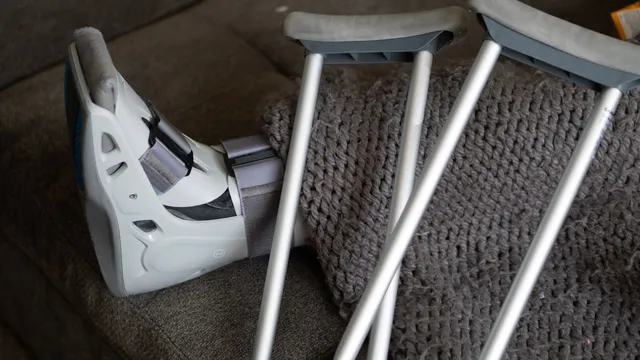
Can you fly with a broken leg?
A fresh plaster cast and a pressurised cabin are a poor combination, and a leg that cannot bend does not fit an economy seat. What airlines require, and what actually decides it clinically.
Talk to us about this
Our clinical and operational teams are here to help, whether you're managing a live case, reviewing a caseload, or exploring a partnership.