
Dr Jon Sen
Medical Director
Jon leads clinical governance and oversight across UCS Assist, holding accountability for clinical standards and the decision-making applied to every case.
Dr Jon Sen is part of the clinical and operational leadership at UCS Assist, the clinically-led medical assistance partner for IPMI insurers, brokers and assistance providers, and part of UCS Care Group.
Insights by Dr Jon Sen

Can you fly after a heart attack?
Usually yes, often sooner than people expect after an uncomplicated heart attack treated with a stent. What decides the wait, how stents and angina change it, and what to sort out before booking.

Can you fly after surgery?
Usually yes, once any gas left inside the body has gone and the wound is healing. How long that takes after abdominal, keyhole, eye and orthopaedic surgery, and who makes the call.

Can you fly with a cast?
Usually yes, once the cast has had time to settle or has been split. Many airlines set rules for casts fitted in the last day or two. What applies to a broken arm, wrist or leg.

Can you fly with an ear infection?
Usually yes with an outer ear infection. A middle ear infection with a blocked nose is often better delayed. What decides it, how to protect the ear on descent, and who to ask first.

Can you fly with broken ribs?
Usually yes, once a collapsed lung has been ruled out or has fully healed and you can breathe deeply without severe pain. Why a pneumothorax is the deciding question, and how long people commonly wait.

Can you fly with COPD?
Usually yes, if your COPD is stable, though some people need oxygen in flight. What a cabin does to lungs with COPD, when to be tested first, and when to wait after a flare-up.

Can you fly with DVT?
Usually yes, once anticoagulation is established and symptoms are settling. What changes after a pulmonary embolism, how long people commonly wait, and how to lower the risk of another clot on the flight.

Can you fly with high blood pressure?
Usually yes, if your blood pressure is controlled and you feel well. Very high readings or new symptoms change that. What actually decides it, and what to sort out before you travel.

Second opinions as a cost containment lever
A structured second clinical opinion is filed as a member benefit and behaves like a cost containment tool. Where the treatment plan actually changes, when it is worth commissioning one, and how to run it so it holds up.

Can you fly with a chest infection?
Often yes, once the fever has gone, the infection is clearly improving and you can walk without getting badly breathless. There is no fixed number of days. What decides it, and when to wait.

Can you fly after a brain bleed?
Usually not straight away. Guidance commonly asks for any air inside the skull to clear on a scan first, which typically takes about a week, and the bleed itself often needs longer. What decides it.

Can you fly after a stroke?
Often within days after an uncomplicated stroke in someone stable, but longer after a bleed, clot-removing treatment or where the patient needs help. Why the early days carry the risk, and what decides it.
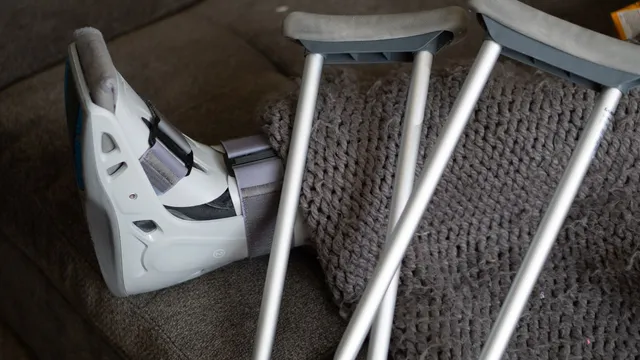
Can you fly with a broken leg?
Usually yes, but a fresh cast often has to be split first, and a leg that cannot bend may need extra seats, a premium cabin or a stretcher. What airlines require, and what decides it clinically.

Cost containment for IPMI: why network discounts alone no longer hold
Network discounts flatten out. The durable savings in international private medical insurance come from challenging medical necessity and treatment pathways, clinically.

When 10% isn't the whole story: medical inflation and the IPMI loss ratio
Global medical inflation is running close to double digits and loss ratios are under real pressure. Premium rises alone won't fix that. The lever insurers underuse is clinical challenge of medical necessity, not just network discounts.

From reactive to pre-claim: clinical intelligence before the bill lands
Most assistance still reacts after treatment and cost are locked in. Pre-claim clinical intelligence intervenes at the guarantee-of-payment stage, reshaping the case rather than auditing it afterwards.
Discuss a case with our team
Whether you're managing a live case, reviewing a caseload, or exploring a partnership, our clinical and operational teams are here to help.